Columbia Road garden maintenance for Spitalfields shops
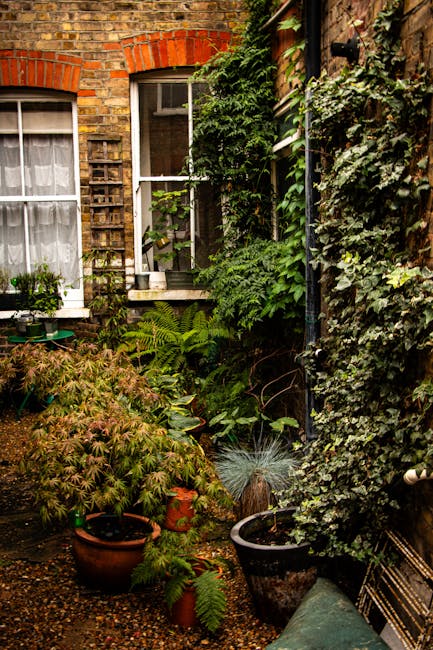
If you run a shop near Columbia Road or in the wider Spitalfields area, you already know the outside of your premises works hard before a customer even touches the door. A tidy planter, healthy frontage planting, and a properly kept pavement display can change the mood in seconds. That is exactly where Columbia Road garden maintenance for Spitalfields shops earns its keep. It is not just about making things look pretty on a sunny morning. It is about keeping your frontage neat, safe, seasonal, and welcoming, week after week, in a part of London where presentation really matters.
Truth be told, shopfront greenery in East London can go from lovely to leggy rather quickly. Wind, shade, footfall, bins, delivery spill, and the general stop-start rhythm of the street all take a toll. This guide walks through what maintenance actually involves, why it matters for retail businesses, how to plan it sensibly, and what to avoid if you want a clean, professional look without constant firefighting.
You'll also find a practical checklist, a comparison table, and a few real-world observations from the kind of problems shop owners usually run into. Let's face it, the last thing you need is to lose time worrying about dead plants or a messy entrance while you are trying to keep customers moving.
- Why it matters
- How it works
- Key benefits and practical advantages
- Who needs this and when it makes sense
- Step-by-step guidance
- Expert tips for better results
- Common mistakes to avoid
- Tools, resources and recommendations
- Law, compliance, standards, or best practice
- Options, methods, or comparison table
- Case study or real-world example
- Practical checklist
- Conclusion
- Frequently asked questions
Why Columbia Road garden maintenance for Spitalfields shops Matters
For shops, garden maintenance is part of brand presentation. A small front display can make a cafe feel calmer, a florist look fresher, a boutique feel more considered, and even a convenience shop seem more cared for. That impression is immediate. Customers do not always analyse it consciously, but they notice when the frontage is crisp and when it is not.
Spitalfields has a particular feel. It is busy, creative, mixed-use, and often compact. That means your outdoor planting or decorative greenery has to work harder than it would in a quieter suburban setting. A little neglect stands out fast. A dry hanging basket, trailing weeds in a planter, or a hedge that has gone shaggy can drag down the whole frontage. On the other hand, a tidy, seasonal display can make a shop look established and trustworthy even before a customer steps inside.
There is also a practical angle. Healthy planting is easier to keep tidy than a tired, stressed display that has been left too long. Maintenance prevents the slow creep of mess. It keeps walkways clearer, reduces the risk of leaf litter building up in awkward corners, and helps you stay on top of the little jobs that become big jobs if ignored for a month. You know how it is: one missed visit becomes two, then suddenly the place looks apologetic.
For businesses with customer-facing frontage, regular garden care also helps protect the wider shop experience. A neat exterior sets the tone. It suggests attention to detail, which is exactly what shoppers often use as a shorthand for quality inside. Not fair, perhaps, but very real.
How Columbia Road garden maintenance for Spitalfields shops Works
Good maintenance is not just a quick tidy-up. In practice, it is a repeatable routine built around the specific plants, containers, access points, and trading hours of your business. For shops near Columbia Road, that usually means planning around foot traffic, deliveries, weather exposure, and the visual lines that matter most from the street.
A typical maintenance visit may include deadheading flowers, trimming back overgrowth, removing weeds, sweeping soil spills, checking irrigation or watering needs, refreshing mulch, and replacing tired plants where necessary. For shops using tubs or planters, the work often goes deeper than the eye suggests. Container plants dry out quickly, and the top layer can look fine while the root zone is already struggling. That is why a proper visit checks more than the surface.
The process usually starts with a site review. What plants are actually thriving? Which are getting too much shade? Is there a drainage issue? Are customers brushing past the edge and snapping stems? These are small details, but they shape the entire maintenance plan. A good routine is designed around reality, not wishful thinking.
Some businesses need weekly attention. Others do well with fortnightly or monthly service plus light self-care between visits. The right rhythm depends on season, plant choice, and how visible the display is. A florist on a busy stretch will often need a more exacting routine than a tucked-away office entrance. There is no one-size-fits-all answer, and anyone pretending otherwise is probably overselling something.
Key Benefits and Practical Advantages
There are plenty of aesthetic benefits, of course, but the practical advantages matter just as much. When garden maintenance is handled properly, the whole frontage becomes easier to manage and less stressful to live with.
- Better first impressions: A maintained frontage makes the shop look open, cared for, and commercially alive.
- Less reactive fixing: Regular care catches issues early, before plants collapse or planters become untidy.
- Improved seasonal flexibility: Displays can be rotated to suit spring, summer, autumn, and winter without starting from scratch.
- Safer pedestrian flow: Clean edges and controlled growth reduce clutter around entrances and narrow pavements.
- Stronger brand consistency: The outside reflects the standard you want customers to expect inside.
- Better plant health: Pruning, feeding, watering, and replacing tired stock helps displays last longer.
There is also a quieter benefit that shop owners often mention after a few months: less mental clutter. If the frontage is stable, you stop worrying about it every time the weather changes. That sounds small, but it matters on a busy trading day.
Who This Is For and When It Makes Sense
Columbia Road garden maintenance for Spitalfields shops makes sense for any business that relies on visible presentation at street level. That includes retail units, cafes, delis, salons, florists, galleries, small hospitality venues, and mixed-use premises with planter displays or planted boundaries.
It is especially useful if:
- your frontage is visible from the pavement and contributes to footfall
- you use planters, window boxes, hanging baskets, or decorative pots
- your team is too busy to manage plant care reliably in-house
- your existing greenery keeps looking tired between major clean-ups
- you want a more polished seasonal look without constant replacement costs
- you have had issues with weeds, wind damage, or patchy watering
It also makes sense if you are preparing for a reopening, a seasonal refresh, or a special trading period. Many shop owners only notice the value of maintenance when something big is coming up. A delivery of fresh stock, an event, a sale week, or even a local market day can all make a neat frontage feel more important than usual.
And if you're unsure whether your place needs regular maintenance or just an occasional tidy? Ask yourself one simple question: would the exterior still look presentable after a rainy week and a busy Saturday? If the answer is no, you probably need a proper plan.
Step-by-Step Guidance
Here is the simplest way to approach shop garden maintenance without overcomplicating it.
-
Assess the frontage honestly.
Look at what customers actually see from across the street, not just what you see from the doorway. Spot the gaps, scruffy corners, dead leaves, and any planting that no longer suits the space.
-
Separate decorative work from functional work.
Some elements are there for style, some for structure, and some for privacy or boundary definition. A good maintenance plan treats them differently. A topiary shape needs different care from a trailing planter, and a hedge is not the same as a seasonal bed.
-
Choose a workable schedule.
Weekly, fortnightly, and monthly visits all have different outcomes. Busy customer-facing shops often benefit from more frequent, lighter visits rather than infrequent heavy ones. That keeps the place looking sharp between peaks in footfall.
-
Prioritise watering and drainage.
Container planting in London can dry out faster than people expect, especially near reflective surfaces or in sheltered but warm spots. On the flip side, poor drainage can leave roots soggy and unhappy. Both problems look similar at first: tired, droopy plants. Different fix, though.
-
Keep the edges clean.
Weeds, moss, soil spill, and dead foliage are the quickest ways to make a frontage look neglected. A short clean sweep after maintenance goes a long way. Tiny thing, big difference.
-
Replace weak plants before they drag the display down.
Sometimes a plant is simply past saving. Replacing it early is usually cheaper in visual terms than waiting for the whole arrangement to look patchy.
-
Review what worked at the end of the season.
What survived? What looked good from the road? Which plants suffered most from weather or shade? That information is gold for next time.
A useful way to think about it: maintenance is not a rescue mission. It is a rhythm. Once the rhythm is right, the frontage stops slipping backwards.
Expert Tips for Better Results
Here are a few details that often separate a decent frontage from a really polished one.
Choose plants for conditions, not just appearance
A plant can look beautiful in the shop to a customer and still be a terrible fit for the space outside. Shade, wind, reflected heat, and access for watering all matter. If a plant struggles from the start, maintenance becomes a constant uphill battle. Better to choose hardy varieties that suit the actual microclimate.
Use repetition to create calm
In small frontage spaces, too much variety can look messy. Repeating a few plant types or matching containers can make even a modest display feel intentional. That calm, ordered look tends to read as premium, which is handy when you want the shop to look coherent and not improvised.
Keep a spare stock plan
One plant failing is normal. Three failing at once looks like neglect. A small reserve of ready-to-place replacements saves time and keeps the display consistent. This is one of those unglamorous tips that quietly solves a lot of headaches.
Work with the street, not against it
If your frontage faces a gusty corner or gets splashed by passing traffic, choose tougher finishes and more stable containers. If customers brush the edge on entry, avoid spiky or trailing growth at hand height. The best displays feel like they belong to the street, not like they are fighting it.
Use the seasons without overdoing the theme
Seasonal colour helps, but over-the-top theme changes can feel a bit forced. A subtle shift in flowers, foliage, or texture often looks better than a dramatic switch every few weeks. Less noise. More charm.
If you want a broader overview of related outdoor work, the services overview is a useful place to compare what fits your frontage, while the main garden maintenance service page helps you see how ongoing care is typically structured.
Common Mistakes to Avoid
Even well-meaning shop owners make the same mistakes again and again. None of these are dramatic on their own, but together they create that slightly tired look that is hard to shake.
- Leaving maintenance until plants are visibly failing. By then, you are often replacing rather than maintaining.
- Choosing plants for a catalogue photo instead of the real site. A glossy image does not tell you how the plant will handle wind or shade.
- Ignoring container size. Small pots dry out quicker and restrict roots. They also look cramped sooner.
- Letting weeds hide in the edges. Customers notice borders and corners more than you think.
- Overwatering because the surface looks dry. Surface dryness can be misleading. Roots need the right balance, not constant soaking.
- Using too many different styles. Mixed containers, mixed heights, mixed colours. Sometimes it just becomes visual clutter.
- Forgetting access and safety. Maintenance should never create a trip hazard or block the entrance.
One slightly awkward truth: many display problems are not actually plant problems. They are planning problems. The wrong size pot, the wrong plant in the wrong place, or the wrong visit frequency will make even good maintenance feel patchy.
Tools, Resources and Recommendations
You do not need a massive kit to keep a shop frontage looking neat, but you do need the right basics. In practice, the best setup is usually simple and consistent.
| Tool or resource | What it helps with | Why it matters for shops |
|---|---|---|
| Hand shears or secateurs | Light pruning, deadheading, shaping | Keeps displays neat without harsh cuts |
| Watering can or hose setup | Consistent watering | Prevents stress in container planting |
| Compost and mulch | Feeding and moisture retention | Supports plant health and reduces surface mess |
| Spare replacement plants | Fast swap-outs | Stops one weak specimen from spoiling the whole display |
| Broom and dustpan | Cleaning soil spills and leaves | Important for busy entrances where presentation matters |
| Simple maintenance log | Tracking tasks and timing | Helps spot patterns and avoid missed visits |
If your frontage includes larger planted areas, hedge lines, or structural landscaping, it may also help to compare related services like hedge trimming, lawn mowing, or even landscape gardening if you are planning a broader refresh rather than simple upkeep.
For businesses looking to reduce waste and choose greener routines, the recycling and sustainability page can help frame how clippings, plant waste, and replacement material are handled responsibly. That may sound like a small point, but customers do notice care taken behind the scenes.
Law, Compliance, Standards, or Best Practice
Garden maintenance for shops is usually straightforward, but the way it is carried out still needs to respect normal UK health and safety expectations. You do not need to turn everything into paperwork theatre, no. But you do need sensible procedures.
In practical terms, that means keeping entrances clear, avoiding trip hazards from pots or hoses, managing any waste responsibly, and ensuring work is done safely around customers, staff, and passers-by. If the frontage is on or near a public pavement, care is needed so tools, cuttings, or containers do not obstruct movement. A tidy layout is not just about looks; it is part of reasonable site housekeeping.
For service providers or business owners arranging third-party work, it is sensible to check insurance, safety procedures, and how the team handles access and on-site risk. The pages on health and safety policy and insurance and safety offer useful reassurance if you want to understand the standard expected before any work starts.
Best practice also means being realistic about timing. If a shop is busiest at certain hours, maintenance should be scheduled to minimise disruption. Morning visits often work well for some premises, while others prefer quieter periods or set days. There is no magic formula, just sensible coordination. That part matters more than people think.
Options, Methods, or Comparison Table
There are a few different ways to manage shop frontage greenery. The right choice depends on budget, frontage size, and how much of a visual statement you want to make.
| Approach | Best for | Pros | Trade-offs |
|---|---|---|---|
| Light-touch upkeep | Small displays and low-maintenance planters | Simple, affordable, easy to manage | Can look uneven if neglected for too long |
| Regular professional maintenance | Busy shopfronts and customer-facing premises | More consistent finish, fewer surprises | Needs a set schedule and budget commitment |
| Seasonal refresh model | Shops that want a fresh look a few times a year | Good for branding and changing displays | May require more planning and replacement plants |
| Full frontage landscaping | Businesses with larger outdoor areas or a strong visual identity | Strong impact, cohesive appearance | Higher upkeep and more parts to manage |
If you are trying to keep costs sensible, it is often better to build a modest but consistent maintenance routine than to chase a bigger display that becomes expensive to rescue. That is especially true in a busy local shopping environment where consistency beats grand gestures every time.
For shops that need a faster, lower-cost starting point, related reading such as cheap gardening services in Spitalfields E1 can help frame what a leaner service might look like without overcommitting early on.
Case Study or Real-World Example
Picture a small independent shop with two long planters at the front, positioned on a narrow stretch near Columbia Road. The display looked good for the first few weeks after installation, then life got busy. Watering slipped. One side got more light than the other. A couple of plants browned off. Then the soil line started to show, and the whole frontage felt a bit tired.
The fix was not dramatic. It usually never is. The team adjusted the maintenance rhythm, swapped in stronger plants better suited to the light, removed the weakest stems, and kept the edges cleaner. They also changed the arrangement so the most visible parts of the display were the most resilient. By the next month, the frontage looked calmer and more deliberate. Not flashy. Just solid. And that was enough.
That kind of result is common. A shop does not always need a complete redesign. Sometimes it just needs the right maintenance logic. The plant choice, the schedule, the tidy-up, the replacement timing. Get those right and the frontage starts doing its job again.
On a warm late-morning trade day, the difference is noticeable. The shop feels open before the door even swings inwards.
Practical Checklist
Use this simple checklist to keep your frontage on track.
- Check whether the plants match the actual light and wind conditions
- Inspect planters for cracked pots, poor drainage, or loose edging
- Remove dead leaves, weeds, and spent flowers
- Water consistently, especially during dry spells or warm snaps
- Trim back growth that blocks sightlines or customer access
- Replace weak plants before the display starts looking patchy
- Sweep soil spills and keep the pavement edge clean
- Review seasonal changes and update the display when needed
- Keep tools, hoses, and waste out of the customer path
- Record what worked well so future maintenance is easier
Expert summary: the best frontage maintenance is the kind nobody notices as maintenance. It just feels neat, welcoming, and easy to trust. That is the real goal. Not perfection. Just a clean, steady impression that supports the business every day.
Get a free quote today and see how much you can save.
Conclusion
Columbia Road garden maintenance for Spitalfields shops is really about keeping your exterior useful as well as attractive. When the planting is healthy, the edges are neat, and the routine is under control, the frontage starts doing quiet marketing work for you every single day. It sets tone, supports branding, and helps the shop feel looked after in a part of London where details matter.
Whether you are managing a small planter display or a more involved shopfront scheme, the winning formula is the same: choose plants that suit the space, maintain them regularly, and avoid waiting for problems to become obvious. That approach saves time, reduces stress, and gives customers a better first impression. Simple, really. Not always easy, but simple.
If you are planning a refresh or want support with a more dependable routine, it is worth exploring the rest of the site to see how the wider service range fits your frontage. A calm, tidy entrance can make the whole business feel stronger, and a little seasonal care goes a long way. Sometimes that is all it takes.
Frequently Asked Questions
What does Columbia Road garden maintenance for Spitalfields shops usually include?
It usually includes pruning, deadheading, weed removal, watering checks, planter tidying, soil top-ups, and replacing tired plants where needed. For shops, the focus is as much on presentation and access as it is on plant health.
How often should a shopfront be maintained?
That depends on the planting, exposure, and footfall. Busy customer-facing displays often benefit from weekly or fortnightly attention, while smaller or hardier setups may only need monthly work plus lighter upkeep between visits.
Is this only for shops with big outdoor displays?
No. Even a couple of planters or window boxes can shape first impressions. Small frontage planting can make a noticeable difference, especially on streets where customers decide very quickly whether a place feels inviting.
What plants work best for shopfront maintenance in London?
Hardy, site-appropriate plants tend to work best. The exact choice depends on sun, shade, wind, and container size. A plant that thrives in one frontage may struggle badly in another just a few doors down.
Can maintenance help reduce costs over time?
Yes, usually. Regular care often prevents bigger replacements later. It is generally cheaper to keep planting healthy than to let it decline and then rebuild the whole display from scratch.
What if my shopfront gets very little sunlight?
Then plant choice matters even more. Shade-tolerant species and careful watering are key. A low-light frontage can still look excellent, but the display needs to suit the conditions rather than fight them.
Does shop garden maintenance create disruption for customers?
It should not, if it is planned properly. Good maintenance is scheduled to avoid peak times, and the work area should stay clear, safe, and tidy. That is part of doing it professionally.
Can I manage the maintenance in-house?
Yes, if the display is small and someone on the team can keep up with it consistently. The issue is usually consistency, not effort. A once-a-week task that gets missed often is worse than a smaller routine that actually happens.
What are the most common signs that a frontage needs attention?
Wilting, brown leaves, weeds, soil spill, uneven growth, and tired-looking containers are the usual signs. If the frontage looks a bit off from across the street, customers will probably notice too.
Is there a difference between maintenance and landscaping?
Yes. Maintenance is ongoing care for existing planting and features. Landscaping usually refers to creating or changing the layout, materials, or structure. If you need both, it is worth planning them together so the result feels coherent.
Do I need to think about health and safety for a small shop display?
Yes, even small displays should be placed and maintained carefully. Avoid trip hazards, keep entrances clear, and make sure tools or waste do not block the pavement. It is mostly common sense, but common sense matters here.
Where should I start if my shopfront looks neglected right now?
Start with the visible basics: remove dead material, clean the edges, check watering, and replace the worst plants first. Once the space looks under control again, you can move on to a longer-term maintenance rhythm. Bit by bit. That is usually the best way.